 ORIAS
Questions that kept getting bigger.
ORIAS is a small, independent research and engineering lab. This is how it got here: a history of questions becoming more ambitious, not of machines being finished.

Plate IL'Atmosphère, 1888.
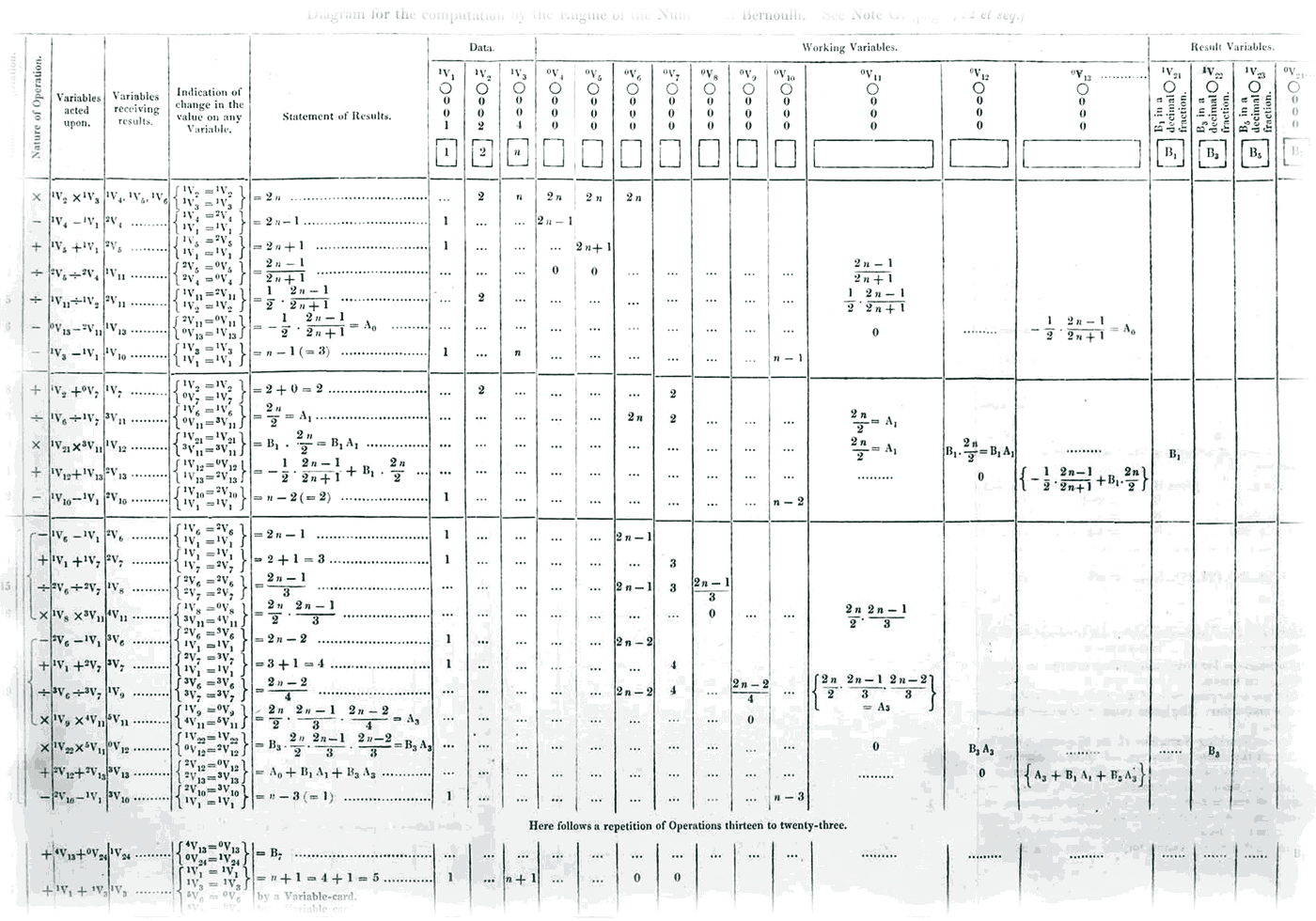
Ada Lovelace's table of operations, 1842. Chapter I
It began with a question.
How much of what technology can't do comes from nature, and how much from our incomplete understanding of what is possible? We started by studying some of the most extraordinary computational systems ever engineered, and how they got their power: a mathematical formulation that makes an impossible manufacturing process achievable, a solver that excludes astronomical numbers of possibilities without listing them, a representation that reveals a shortcut invisible in the original problem.
Leonardo da Vinci, flying machine, about 1488. Chapter II
We asked software to remember.
Much of the understanding produced by changing a software system stays outside it, in logs, documents and people's heads. Chimera asked whether useful experience could stay attached to the system itself. It taught us that preserving information is not the same as understanding it.
Kepler's model of the planets, 1596. Chapter III
Then: how would a machine know it understands?
Several mechanisms can produce the same observations. Baby Laplace explored how a machine might build, compare and test explanations of small worlds, and moved our attention from systems that perform tasks to what it takes to discover a mechanism at all.
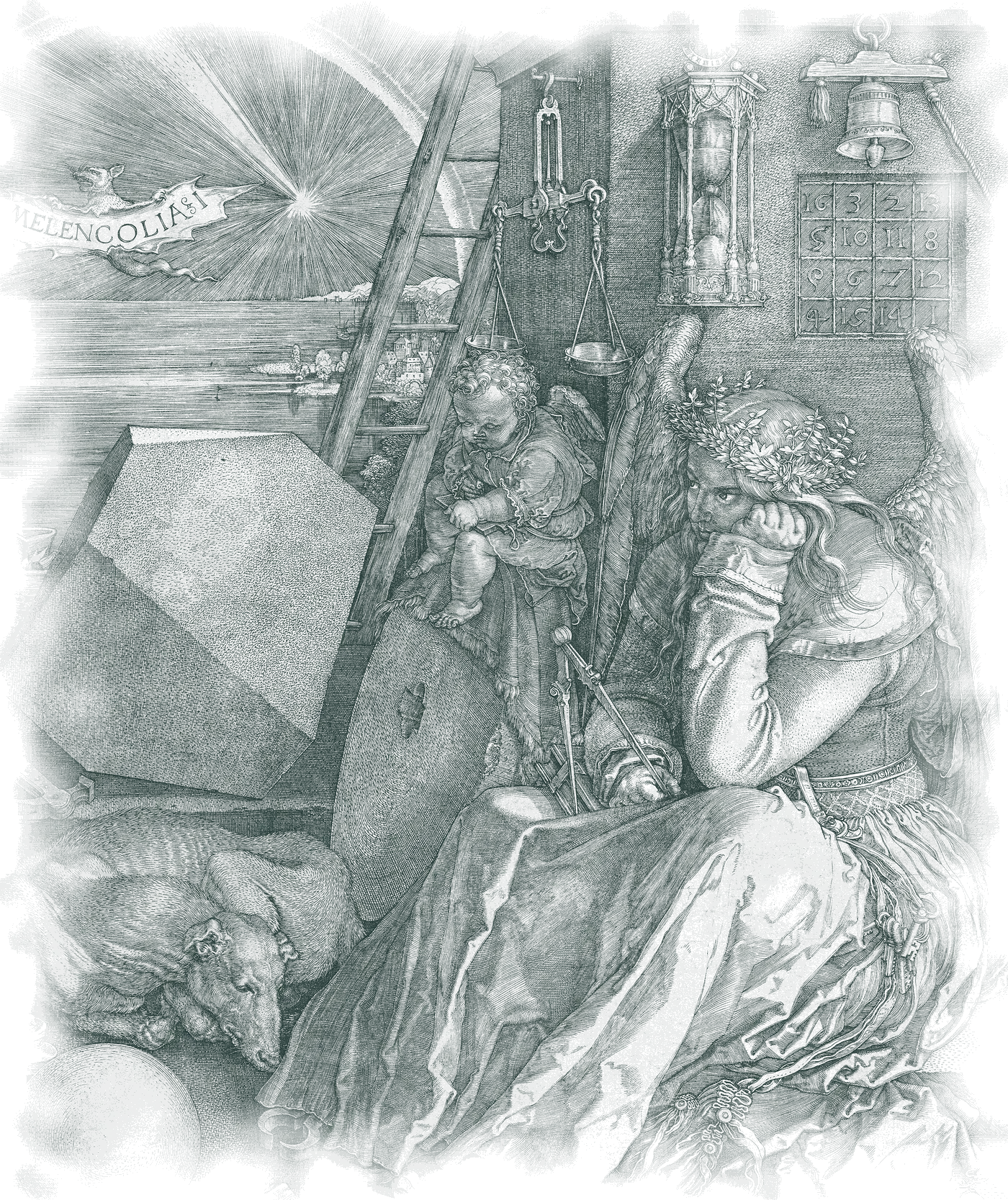
Albrecht Dürer, Melencolia I, 1514. Chapter IV
The work became mathematical.
We built Genesis-1 to run and check investigations, and began working on mathematical questions directly: what an observer can infer about hidden mechanisms, and what irreversibility takes away.
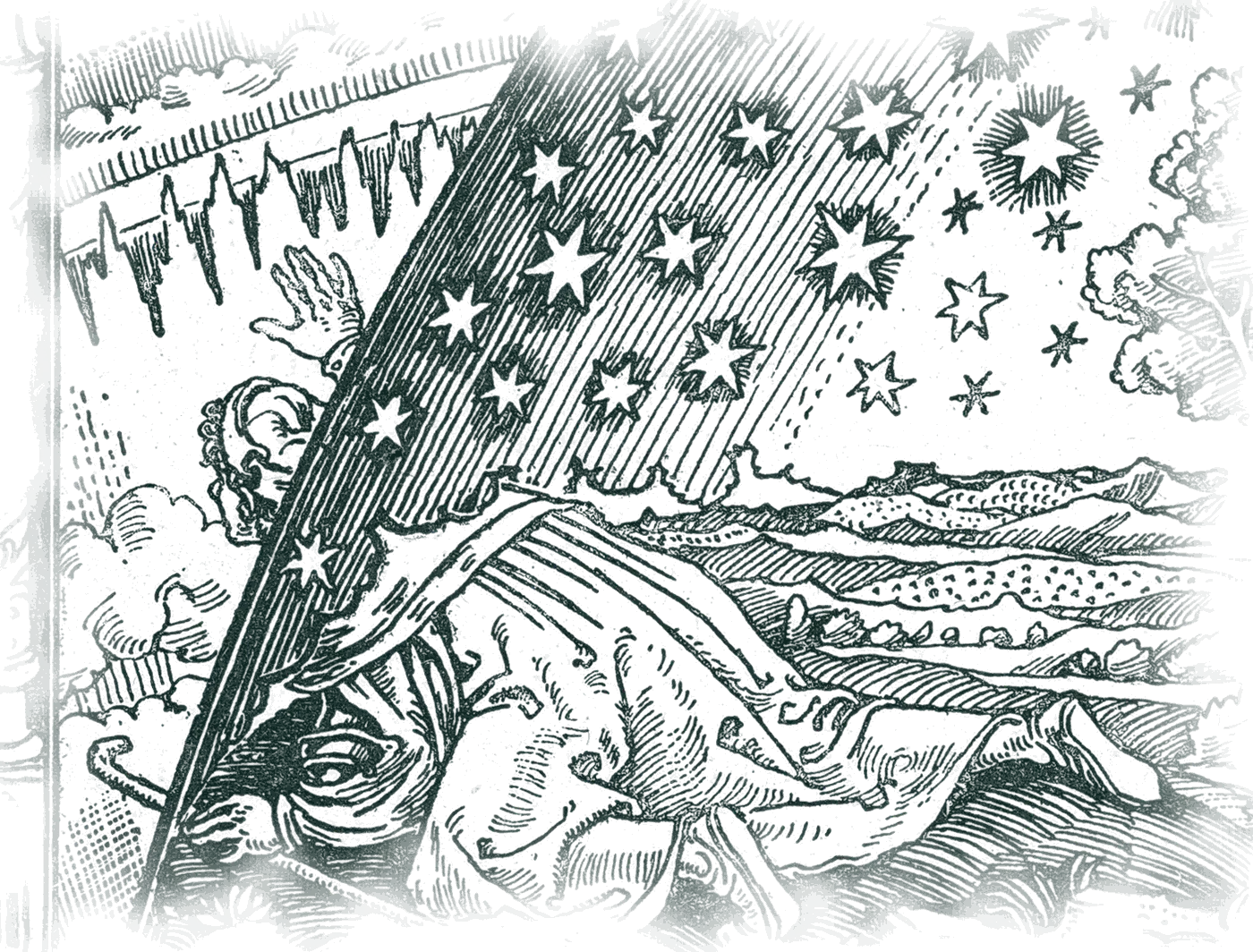
The Flammarion engraving, 1888, detail. Chapter V
Intelligence isn't the whole story.
A theorem can remove a calculation. A measurement can make a hidden property visible. A physical mechanism can make an impossible action routine. None of these needs to be intelligent to change what is possible. That widened the ambition again, into Worldfold.


How we think.
Don't define the final machine too early.
We are trying to discover what deserves commitment.
Exploration is not achievement.
A hypothesis becomes a breakthrough only through a real conceptual, mathematical or engineering contribution.
Keep alternatives alive.
One attractive family of ideas should not quietly take over every investigation.
No futuristic language in place of mechanisms.
For every promising idea, name the actual source of power and the invention still missing.
Capability is not only intelligence.
A fixed mathematical or physical mechanism may matter more than a general research agent.
Stay open to being wrong about the framing.
Our most important discovery might show that we had the problem wrong.
"We need enough of a vision to begin, but enough freedom to be wrong about almost everything."
From the founding brief, October 2026